Rubber Roof Installation in Naperville, IL
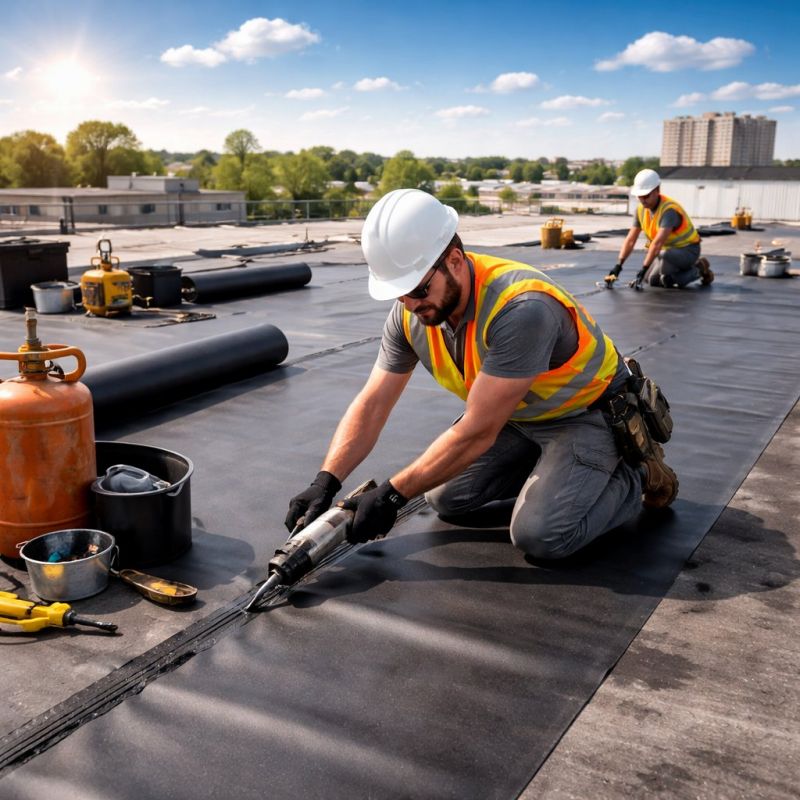
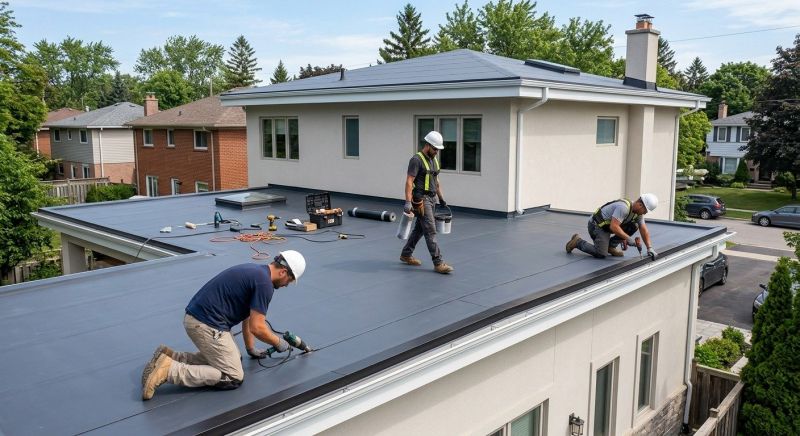
Rubber roof installation services provide a durable and flexible roofing solution ideal for a variety of property types, including residential homes, garages, and flat-roofed structures. This service involves the careful placement of rubber membranes, typically made from EPDM (ethylene propylene diene monomer), which offers excellent weather resistance, longevity, and low maintenance. Homeowners often seek rubber roofing for new construction projects, roof replacements, or upgrades to improve energy efficiency and protect against water leaks. Before requesting installation, property owners should consider the size and shape of their roof, existing roof conditions, and any specific performance expectations they have for their roofing system.
Property owners interested in rubber roof installation usually want to understand the scope of work involved, the materials used, and the overall benefits of this roofing option. They should inquire about the compatibility of rubber roofing with their building’s structure, whether additional insulation is recommended, and if any permits or inspections are required in their area. Clarifying these details helps ensure the project aligns with property needs and local building codes, providing a clear understanding of what to expect from the installation process.
Many property owners in Naperville, IL look into Rubber Roof Installation for repairs, replacements, upgrades, and appearance-related improvements.
Benefits Of Rubber Roofs
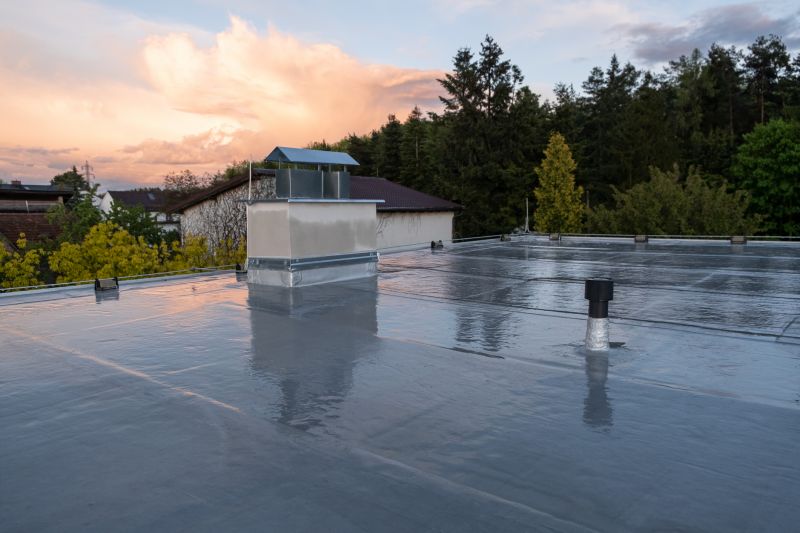
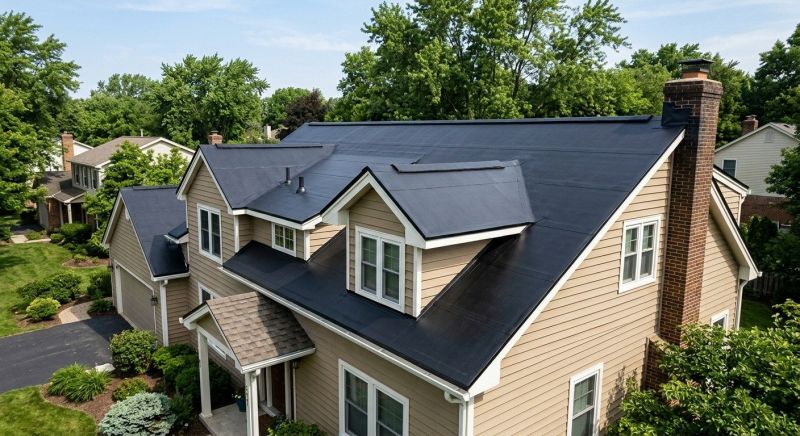
Rubber roofs provide durability and flexibility for residential and commercial buildings in naperville, il.
Installation Considerations
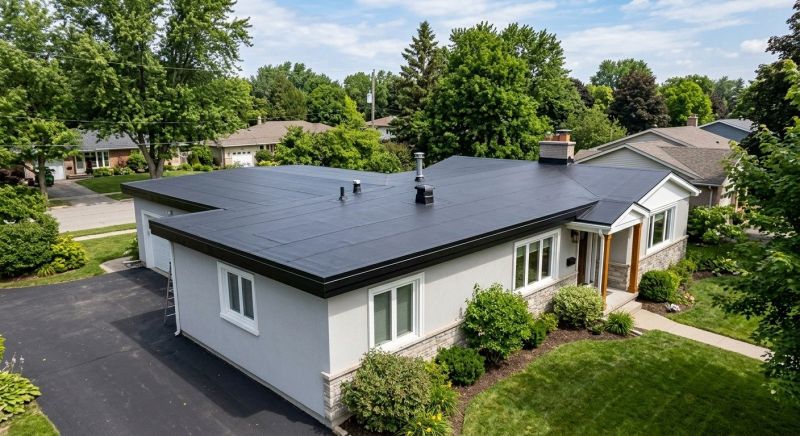
Proper installation ensures a long-lasting, weather-resistant rubber roof for your property.
Maintenance And Care
Regular inspections and minor repairs can extend the lifespan of a rubber roofing system in naperville homes and businesses.
Rubber Roof Installation in Naperville, IL
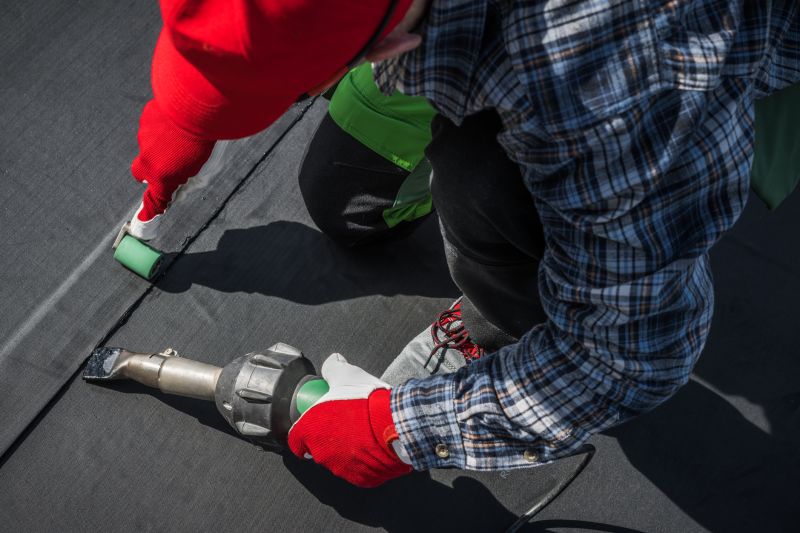
Rubber roof installation services provide a durable and flexible roofing solution ideal for a variety of property types, including residential homes, garages, and flat-roofed structures. This service involves the careful placement of rubber membranes, typically made from EPDM (ethylene propylene diene monomer), which offers excellent weather resistance, longevity, and low maintenance. Homeowners often seek rubber roofing for new construction projects, roof replacements, or upgrades to improve energy efficiency and protect against water leaks. Before requesting installation, property owners should consider the size and shape of their roof, existing roof conditions, and any specific performance expectations they have for their roofing system.
Property owners interested in rubber roof installation usually want to understand the scope of work involved, the materials used, and the overall benefits of this roofing option. They should inquire about the compatibility of rubber roofing with their building’s structure, whether additional insulation is recommended, and if any permits or inspections are required in their area. Clarifying these details helps ensure the project aligns with property needs and local building codes, providing a clear understanding of what to expect from the installation process.
Many property owners in Naperville, IL look into Rubber Roof Installation for repairs, replacements, upgrades, and appearance-related improvements.
Common Rubber Roof Installation Jobs
Rubber Roof Installation - Provides a durable and flexible roofing option for residential properties.
Flat Roof Projects - Ideal for homes with flat or low-slope roof designs.
New Roof Replacement - Replaces aging or damaged roofing with a long-lasting rubber membrane.
Roof Extensions and Additions - Ensures seamless waterproofing for new or expanded roof areas.
Commercial Rubber Roofing - Suitable for commercial buildings requiring reliable, weather-resistant roofing.
Roofing for Renovations - Complements renovation projects with a weatherproof and energy-efficient surface.
Rubber Roof Installation Questions
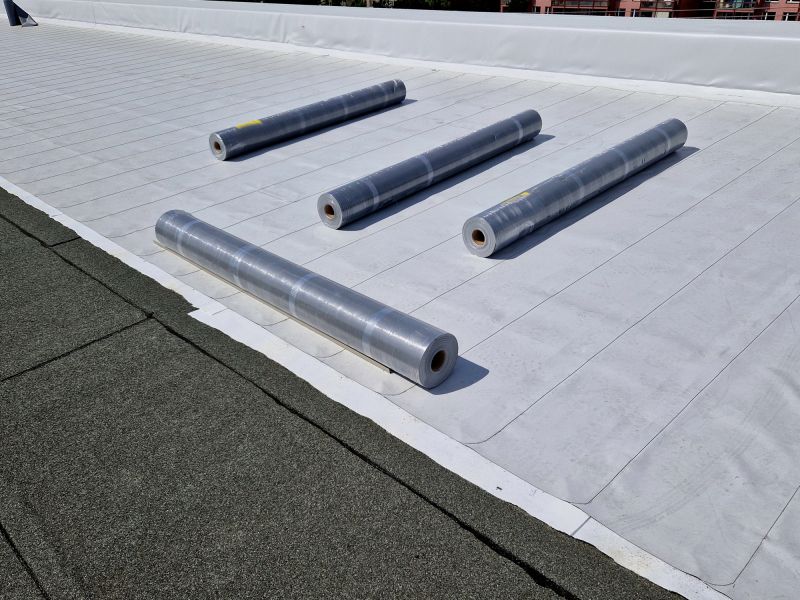
What is a rubber roof installation? It involves installing a durable, flexible membrane made from synthetic rubber to protect flat or low-slope roofs.
What types of buildings typically need rubber roof installation? Rubber roofing is common on commercial buildings, garages, and residential flat roofs requiring long-lasting waterproofing.
How long does a rubber roof typically last? Rubber roofs generally last between 20 to 30 years with proper installation and maintenance.
What are the benefits of choosing a rubber roof? Rubber roofs offer excellent waterproofing, flexibility, and resistance to weathering and UV rays.
Request Rubber Roof Installation in Naperville, IL
Use the quote form on this page to share the basics of your project and request more information for the type of work you need.